180 Days With Fitness Wearables: What Changed, What Didn’t

Across six months, I explored Fitness Wearables in Daily Life: A 180-Day Experience Log, turning streams of heartbeats, steps, sleep stages, and stress estimates into daily choices. This is a candid journey through curiosity, friction, breakthroughs, and stubborn habits, where gentle notifications nudged me toward consistency, community gave courage, and data finally felt personal enough to matter every ordinary morning. If anything resonates, share your own experiments, ask questions, and let’s keep improving these tiny daily decisions together.

From Setup to First Week: Establishing a Real Baseline
Starting mattered more than perfect accuracy. I spent an intentionally ordinary week simply observing: bedtimes that drifted, unplanned snacks, short walks between meetings, and an inconsistent wind-down routine. Wearables did not fix anything; they reflected habits I already suspected, in numbers I could finally compare. That honest snapshot prevented overreaction later, grounded my expectations, and turned every adjustment into a measured experiment. Baseline became compass, not a judgment, guiding patient progress across days that felt beautifully uneventful.

Sleep, Mornings, and a Calmer Nervous System

Sleep turned out to be the upstream variable. When nights improved, everything downstream—training, mood, hunger, patience—felt easier. Wearables revealed how late screens, heavy dinners, and stressful emails stretched sleep latency and clipped deep stages. Gentle routines beat rigid rules: dimmer lights, earlier shutdowns, and a short gratitude note. Mornings stopped feeling like repairs and started feeling like launches. Stabilizing recovery did not just raise numbers; it raised the floor for every other habit I cared about.

Office Hours, Micro-Movement, and Energy

Desk work punished my posture and attention more than tough workouts. Wearables highlighted long sedentary blocks that felt invisible in the moment. Adding micro-movements—brief walks, stretches, stair bursts—lifted afternoon energy and trimmed aches. I scheduled movement like meetings and protected it with quiet reminders. Post-meal walks soothed restless minds and steadied appetite. The watch did not need to cheer; it simply made stillness visible. Small motions stacked up into a surprising well of steadier focus.

Timers, Prompts, and Standing Patterns

Sixty-minute focus blocks, then three-minute resets, beat constant fidgeting. A subtle stand reminder replaced guilt-inducing buzzers. I alternated seated work, standing tasks, and short hallway walks, linking them to recurring calendar events. The watch’s hourly move goal became a gentle nudge, not a scoreboard. Over weeks, back tightness eased, end-of-day headaches faded, and I protected deep work windows more effectively. Movement stopped interrupting productivity and started serving it, like sharpening tools between careful cuts.

Stairs, Walks, and Post-Meal Steps

Ten-minute walks after meals consistently improved alertness and reduced afternoon crashes. Choosing stairs added quiet intensity without gym logistics. The tracker’s step count shifted from daily finish line to spacing guide: lots of small installments instead of a desperate late sprint. Friends joined quick calls during loops outside, turning exercise into conversation. These light additions stabilized mood and digestion while keeping training energy for deliberate sessions. The biggest benefit was mental: momentum felt accessible, repeatable, and friendly.

Training by Numbers Without Losing Joy
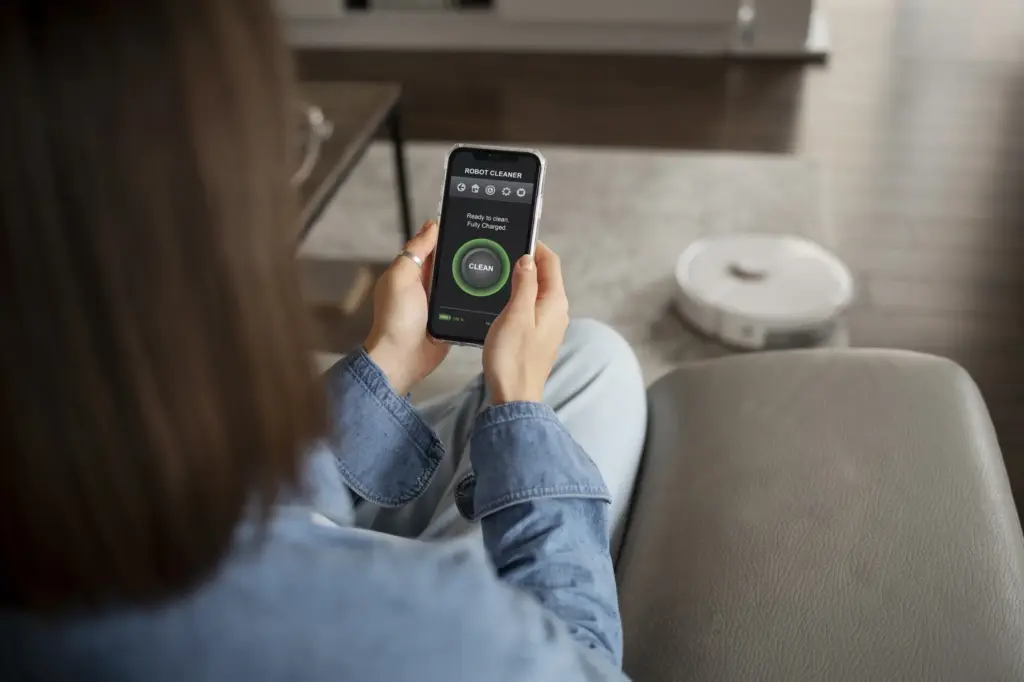
Data sharpened practice but never replaced feel. The best sessions blended heart rate guidance with curiosity, like exploring paces that felt almost too easy yet built durable endurance. On ambitious days, metrics kept ego honest; on wobbly days, they granted permission to pivot. Plateaus arrived, as always, but clearer logs turned them into specific puzzles rather than identity crises. Numbers invited patience, focus, and teamwork with my future self—who appreciates fewer dramatic comebacks and steadier progress.

Heart Rate Zones in Practice

Zone two runs felt comically slow at first, until the watch showed longer duration without late-day fatigue. Intervals landed better with a chest strap, cooling down when drift appeared. I learned to respect cardiac lag, warming up longer before chasing targets. The payoff was stubborn: steadier splits on tired mornings and calmer breathing on hills. Zones became tutoring, not tyranny, letting fun sessions stay playful while key workouts carried clear intent, structure, and recoverable stress.

Load, Recovery, and Plateaus

Weekly load scores mapped neatly to how my legs felt, but only when sleep cooperated. When the app flashed caution, I did technique drills or easy spins rather than cancel. Plateaus softened into learning phases: more strides, less junk miles, occasional deloads. Sharing plans with a buddy added accountability without pressure. Small cycles of stress and rest stacked into confidence. The greatest shift was emotional—trusting quieter weeks to build taller ones later, without panic.

VO2max Estimates and Reality Checks

The estimate trended upward with consistent aerobic work, yet lab-grade precision was never the point. I treated the number like weather: useful for planning, unwise for identity. Occasional field tests—a controlled loop, repeatable conditions—kept perspective honest. The real reward showed up in ordinary moments, like jogs that no longer spiked breathing or stairs that felt shorter. Data stayed humble, supportive, and practical, reminding me that performance is largely the byproduct of faithful routines.

Food, Water, and the Quiet Signals

Fuel choices shaped energy, sleep, and mood more reliably than any setting. Pairing workout intensity with simpler meals, earlier dinners, and steadier hydration calmed cravings and improved night readings. Logging occasionally helped, but rigid obsession backfired. I trusted patterns over perfection: balanced breakfasts on training days, mindful portions on rest days, and more vegetables than opinions. Wearables offered gentle crosschecks—resting pulse after dinner, overnight disturbances—keeping experiments grounded. Food became partnership, not punishment, supporting effort without stealing joy.

Mindfulness, Community, and Sustainable Consistency
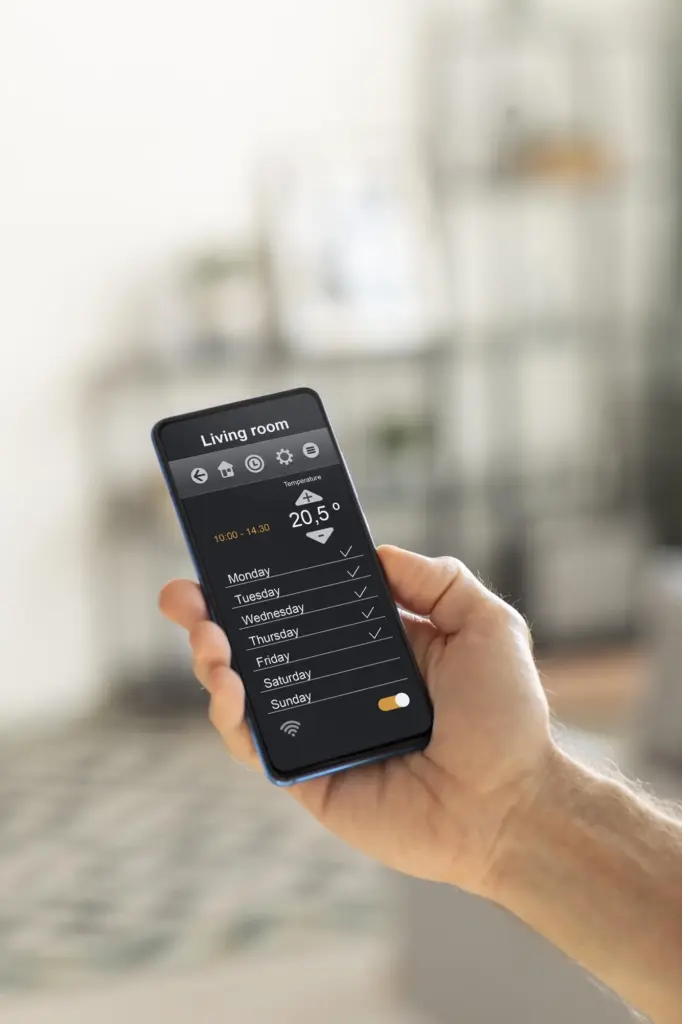
Stress scores mirrored the calendar more than the training plan. Building micro-moments of calm—thirty slow breaths, a phone-free lunch, a brief walk without headphones—shifted physiology meaningfully. Community added the missing piece: lighthearted challenges, shared graphs, and friendly check-ins that caught me before I drifted. Boundaries mattered, too; data is intimate and deserves consent, context, and ownership. What lasted were small rituals with big echoes, supported by people who cheer effort, not just outcomes.

Breath, Prompts, and Reset Moments

A two-minute breathing tile on the watch became my favorite button. I used it before difficult meetings, after unexpected emails, and when the afternoon tightened my shoulders. The biofeedback curve felt like a tiny victory lap, reminding me calm is trainable. Over time, these resets shortened ruminating spirals, improving focus and kindness. Mindfulness did not require perfect silence; it needed deliberate pauses. If you read this far, consider scheduling one small reset for tomorrow morning.

Friendly Challenges and Accountability
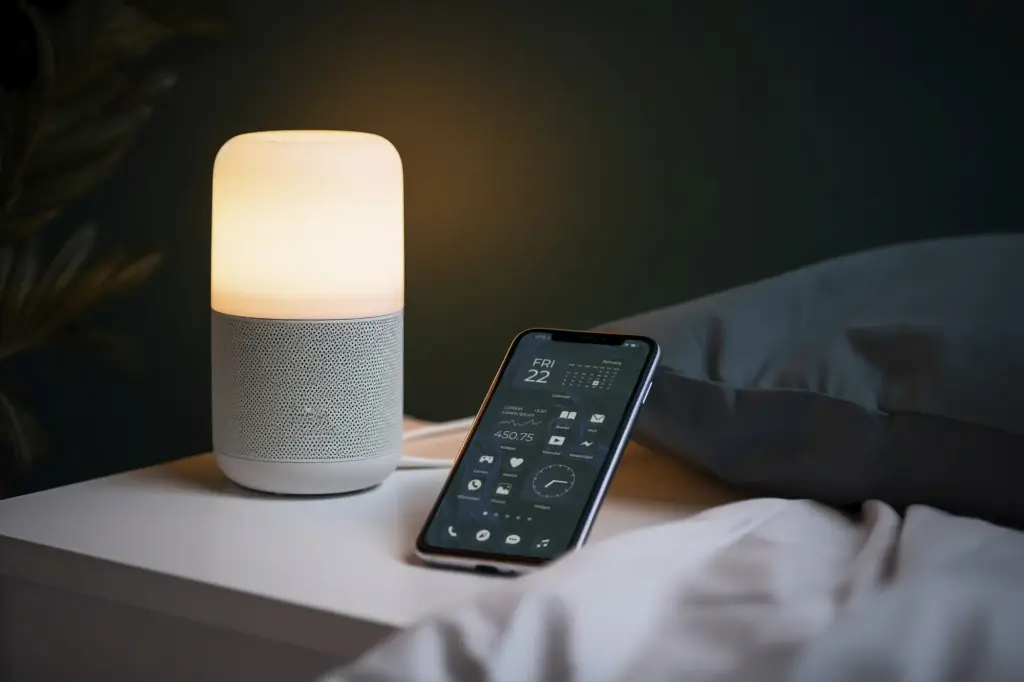
Inviting two friends into quiet step challenges created steady momentum without rivalry. We shared weekly insights rather than daily scores, celebrating routines, not theatrics. When someone struggled, the group suggested tiny experiments instead of scolding. The social layer kept hard weeks from unraveling and good weeks from overreaching. Posting occasional progress notes encouraged thoughtful feedback from readers. If you have a story or question, reply and join the next mini-challenge; we learn faster together.

Privacy, Data Ownership, and Boundaries

I export data monthly, back it up, and audit app permissions. Sharing is deliberate, never automatic, and always reversible. I disable location on posts and limit third-party connections to what I actively use. These choices protect experimentation from performance theater and keep trust intact. Wearables can empower or expose; the difference lies in boundaries. Treat your numbers like a journal: insightful, sensitive, and ultimately yours to keep, edit, or delete when seasons change.
Ravoxarivirolivo
Privacy Overview

This website uses cookies so that we can provide you with the best user experience possible. Cookie information is stored in your browser and performs functions such as recognising you when you return to our website and helping our team to understand which sections of the website you find most interesting and useful.